
 My Account
 Basket
 Log In
 GIFT VOUCHER
- Celebrating-Somersets-Creative-And-Cultural-Practitioners-Lydia-Cook
Celebrating Somerset's Creative & Cultural Practitioners – Lydia Cook
posted 22 May 2026
For this month’s blog, we spoke with Bristol-based Director Lydia Cook. From studying Musical Theatre to growing her directing career, creating bold, experimental, and playful productions; Lydia has collaborated on a variety of projects within the South West and beyond, directing musicals at The Egg Theatre Bath, Tobacco Factory Bristol, and Bristol Old Vic. As well as recently being Associate Director on David Copperfield: A Life, a large-scale community production at Theatre Royal Bath, directed by Sally Cookson. During our talk, we explored Lydia’s journey into the theatre industry and building up her craft and connections to get into directing.
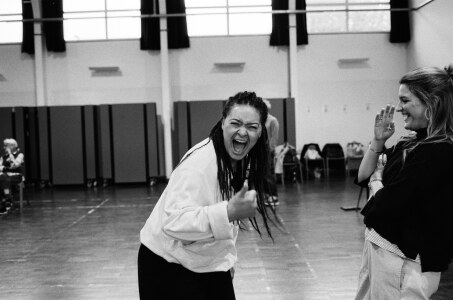
In our chat, Lydia reminisces of her exposure to the arts and theatre from an early age, explaining how her school drama sessions were a clear contributing factor to her introduction to theatre. “My earliest memory of theatre was when I was at Shield Road Primary School in Bristol. I can remember drums being played in our school hall; it's such a faint memory but I can remember the feeling of the music rather than what happened. I really enjoyed drama sessions in school. I'm dyslexic, so I struggled with some subjects in school, especially when it came to English and other subjects, but when I got to drama classes, I loved it. I could just play around and that's the actual goal of the session, which was great.”
During our discussion, Lydia and I explored our similar experiences being dyslexic in a school environment to working in the theatre industry and how doing drama helps gain transferable skills for many other subjects. “Yes. Absolutely, going back to English. I probably got higher marks when I used those skills that I gained through acting sessions, when you had to do presentations or understanding text in your GCSEs, I was really into breaking the text apart, finding the meaning behind it and understanding humans and connection. I think theatre and the skills you can gain from it steps you up quite a few levels, it definitely helped me out.”
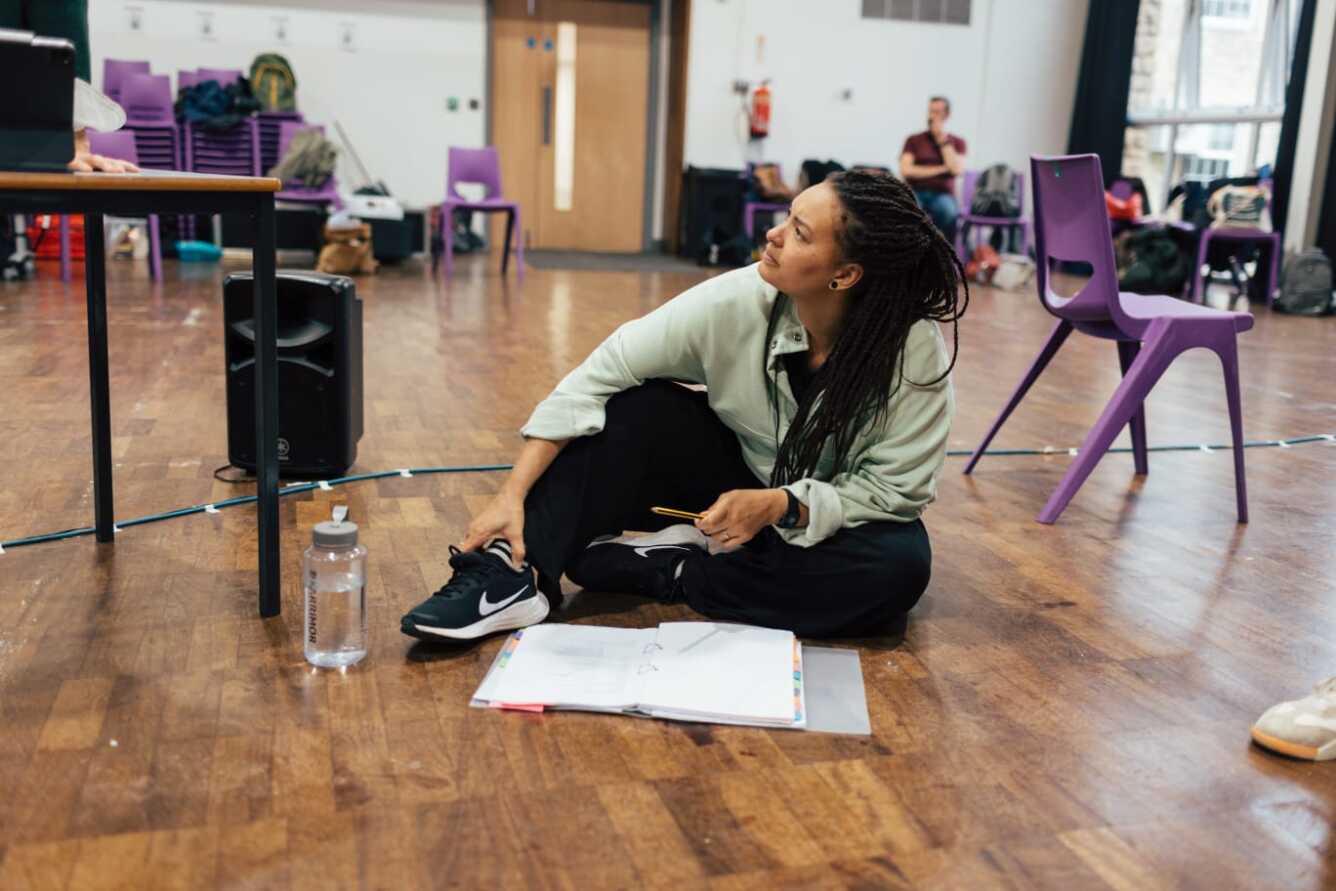
Originally training in Musical Theatre at the Bristol Institution of Performing Arts, Lydia recapped her creative pathway after graduation. “I trained in Musical Theatre because I really enjoyed the subjects covered and staying in college. After graduating, I went into hospitality, but I really missed being around theatre and creative people. I moved back to Bristol and got a job working at the college I used to go to as class support and eventually ended up running the Level 1 and 2 course in the Performing Arts department and was a teacher for 13 years.”
Lydia’s directing career took off when she wanted to further her education, resulting in a massive turnaround from teacher to director. “Originally, I was going to do a master’s in Musical Theatre to help with teaching. But I’d seen Bristol Old Vic Theatre School had a directing course, and that interview completely changed my life. Everything made sense, and what I enjoyed about teaching was the Directing. My master’s was a helpful way of making connections with other people in the industry; that's what’s good about drama school, it sends you to people and places that gives you a key to unlock that world and feel it’s not as far away as you think it is. I just needed to stop for a second, reach out for it and realise that you can do what you want to do, live a freelance life, and just enjoy work, that's what it's about.”
Growing up in Bristol and the South West, Lydia concluded it was the best place to study, expand her career, and maintain connections in an experimental and supportive theatre community. “What was helpful studying in Bristol was I am from the area; I know the different theatres and after studying continued to work here. Some people might train in Bristol, then they might shoot off to London or wherever they’re based originally, but because I’m from here, I can meet up with creatives and talk about new projects, and that's been so helpful. It’s nice to work where you've been raised in this community. Then you're thinking about the community and area when you're making work, and you understand the people around you.”
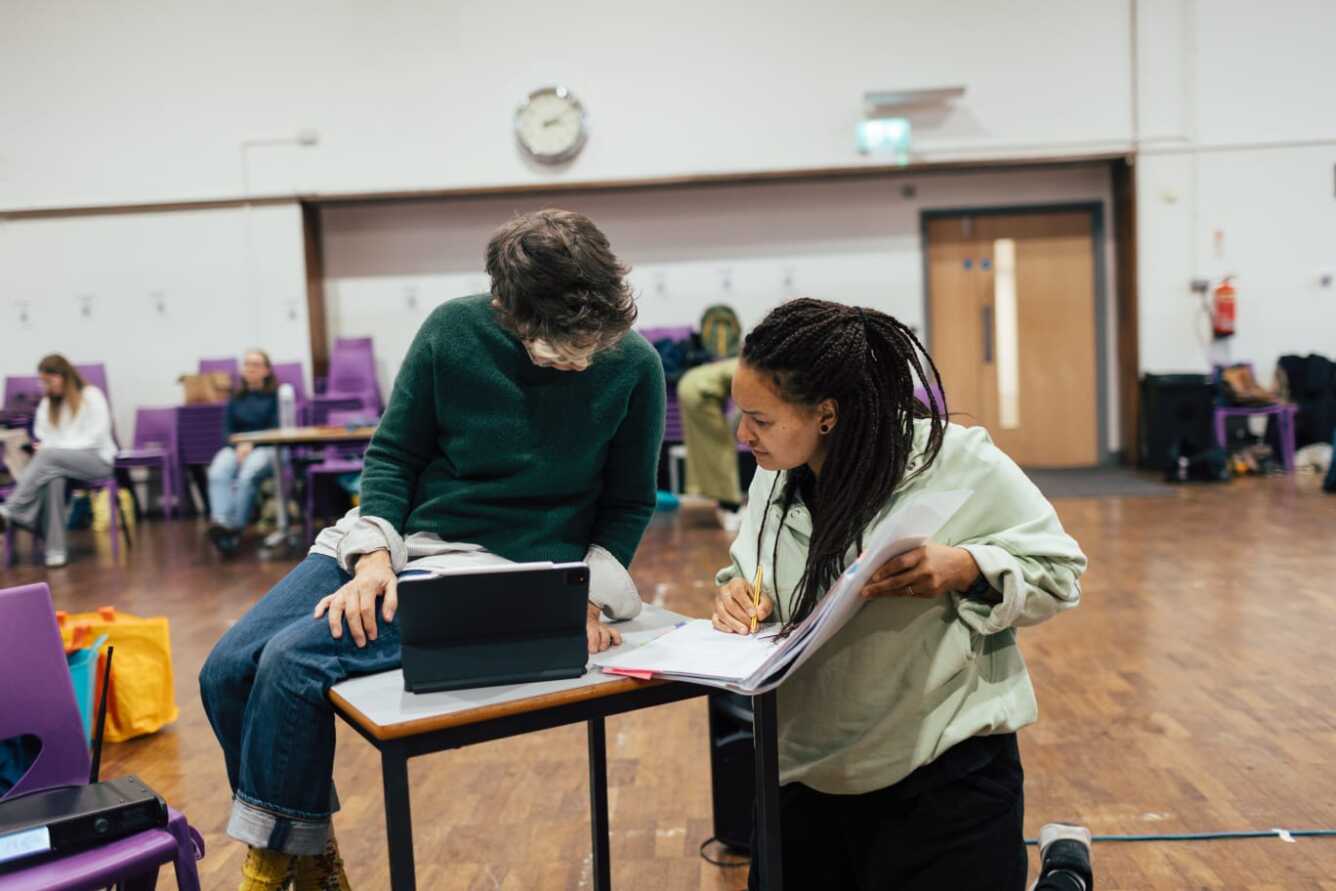
Each director brings their unique style and approach to their projects, but the key skills required as a director stay consistent. When asked what key skills make a good director, Lydia said: “Listen, be open to collaboration, and have fun! I love collaborating; that's my top requirement. Theatre is not a solo project. It's got so many people in the room; why shouldn’t you use their amazing brains? I think that's so important. It's also key to be true to the story, what it’s trying to say, and thinking about who we tend it to. I think people sometimes forget about the audience as well, so throughout the rehearsal process, remember who we’re doing it for and why we're doing it.”
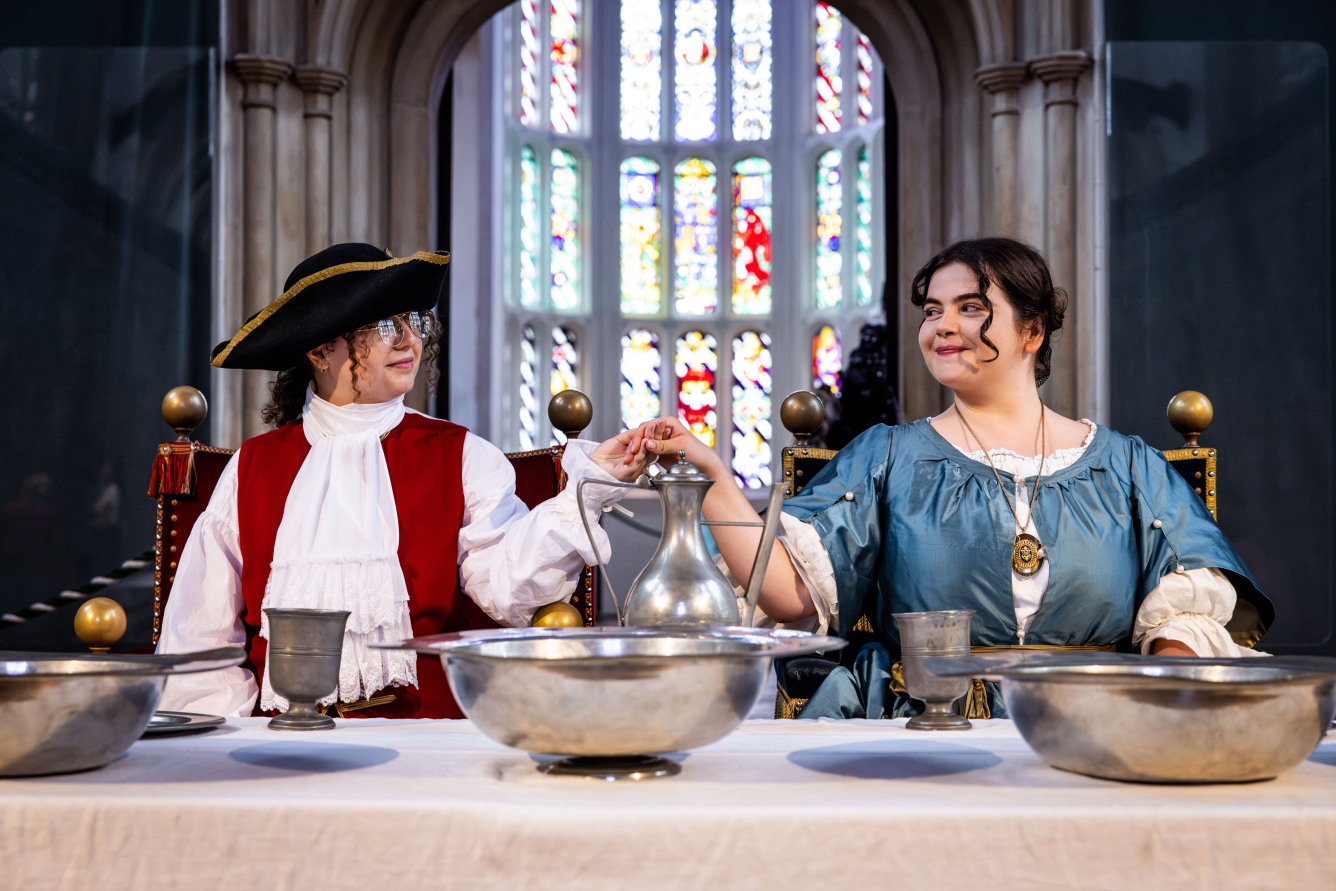
As Director and Associate Director for a number of productions, recently being Associate Director on David Copperfield: A Life at Theatre Royal Bath and currently directing Urinetown the Musical at The Egg Theatre. Lydia has brought many stories to life. When asked if there were stories she’s particularly drawn to, she explains, “I’m particularly drawn to untold history; for example, I did a show in Hampton Court Palace, and it was about the story of Arabella Hunt, who was an opera singer and a Lute player. She was married to a woman, but her wife also used to dress like a man and called themselves James, so they were going between the names Amy and James. In the play, she must choose between love and the Royal Court. And I’m thinking, this story is amazing. How have we not heard it? It was such an amazing experience to tell this true, untold queer story that was hidden in history.”
Lydia’s advice for new directors building a freelance career in the theatre industry: “Firstly, you need to remain calm. I always have a moment when it's coming to an end of a project - if I do not have something else lined up - I have a mini freak out going, ‘Oh, my gosh, I need to pay the bills!’ Every time that happens, you must believe that something will come up but understand that you must search for it as well and make the contacts. If there's someone that you want to work with, go and speak to them. We have the internet and access to anyone we want to talk to in the world. Send them a message, find their email. If there are any productions that you're interested in, look at the programme. There's a whole list of creators that you can contact. You can reach out to particular writers and directors whose work you personally connect to and start planting those seeds, showing you’re interested in working with them, which may grow into future collaboration. It’s natural to feel nervous contacting people who are big names in the industry, but I find everyone is so lovely, helpful and supportive of each other. A lot of work I’ve had I got from going up to people and saying, ‘-I want to work with you. When am I working with you next? What's your next project?’ Be bold in the sense that you need to go out there and get it yourself. Because these people aren’t going to just give it to you, so you need to go grab it!”
To find out more about Lydia’s Directing work and future projects visit her website: https://www.lydia-cook.com/
Conversations